California sets the standard for fuel cell vehicles in the US.
The light hydrogen vehicle market in the US is almost entirely concentrated in the state of California, where the California Fuel Cell Partnership (CaFCP) has been promoting uptake since 1999.
This collaboration between industry and government is working to ensure that vehicles, hydrogen stations and industry standards align as uptake grows. Members include a wide range of players in the ecosystem, including big names such as Cummins, Daimler, Honda, Hyzon, Hyundai, Faurecia, Ford, General Motors, Nissan, Shell and Toyota.
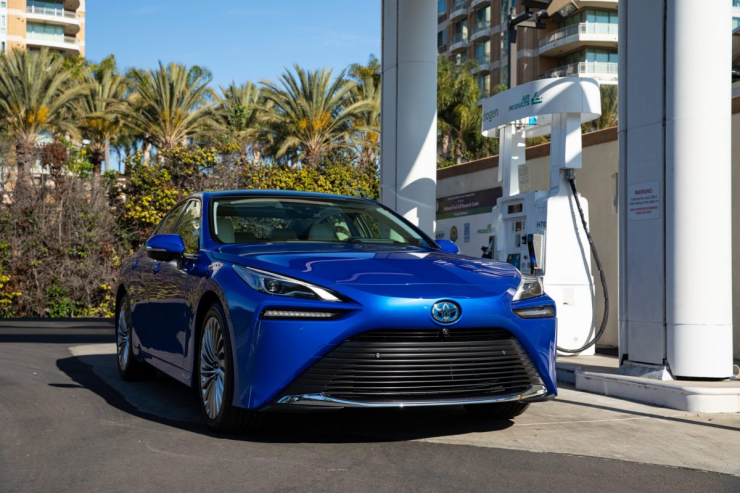
Although the partnership has been in existence for more than 20 years, the fuel cell ecosystem for light vehicles remains niche. California has about 14,200 registered fuel cell vehicles and 56 hydrogen stations where they can fill up.
🔥 What about we co-host a webinar? Let's educate, captivate, and convert the hydrogen economy!
Hydrogen Central is the global go-to online magazine for the hydrogen economy, we can help you host impactful webinars that become a global reference on your topic and are an evergreen source of leads. Click here to request more details
Only three brands – Honda, Toyota and Hyundai – offer fuel cell vehicles for sale. However, the partnership has been strained and has reached several milestones over the years, such as bringing stakeholders together to agree on a common fuel delivery mechanism.
He also developed a ground-breaking plan for the roll-out of hydrogen vehicles and fuel infrastructure in tandem and produced a series of action plans, concept papers and roadmaps.
The state’s outlook is optimistic: The California Air Resources Board (CARB) predicts that by 2050, 25% of the new light vehicle market will be fuel cells. If this goal is to be realized, CaFCP has a lot more work to do.
READ the latest news shaping the hydrogen market at Hydrogen Central
CALIFORNIA SETS THE STANDARD FOR FUEL CELL VEHICLES IN THE US, September 30, 2022